
Living In The Light - June

Turning Towards the Light
Growing Towards the Sun: A Metaphor for Personal Growth and Resilience
As nature beautifully illustrates, plants have an innate desire to grow towards the sun. This simple yet profound act holds a powerful metaphor for our own journey of personal growth and resilience. Just as plants reach for the sunlight to thrive and flourish, we, too, can look towards the light in our own lives to nurture our potential and resilience.
The sun, source of warmth, light, and life, symbolizes positivity, hope, and inspiration. In the face of challenges and obstacles, it serves as a reminder to stay focused on the light within ourselves, to seek out sources of strength and motivation that can help us overcome adversity.
Like plants bending and stretching towards the sun to soak in its life-giving rays, we must also be adaptable and flexible in our approach to growth. Sometimes, this means pushing past our comfort zones, facing our fears, and embracing change in order to reach our full potential. Just as plants thrive when they lean towards the sun, we, too, can find growth and fulfillment by leaning into our challenges with courage and determination.
The process of growing towards the sun involves shedding what no longer serves us. Just as plants shed old leaves to make way for new growth, we must let go of limiting beliefs, negative habits, and self-doubt that inhibit our progress. By releasing these obstacles, we create space for new opportunities and personal development to take root.
Furthermore, the journey of growing towards the sun teaches us patience and resilience. Just as plants endure seasons of drought, storms, and harsh conditions, we, too, encounter challenges and setbacks along our path to growth. It is during these times of struggle that we must dig deep, draw on our inner reserves of strength, and persevere with unwavering faith in our ability to rise above difficulties.
In essence, growing towards the sun is a metaphor for embracing our inherent potential, seeking out sources of inspiration and positivity, leaning into challenges with courage and adaptability, letting go of what holds us back, and cultivating patience and resilience in the face of adversity.
So, as we navigate the ever-changing landscape of life, may we remember the simple yet powerful lesson of the plants: to always grow towards the sun, towards the light that illuminates our path, nurtures our growth, and fosters our resilience in the face of life's challenges.

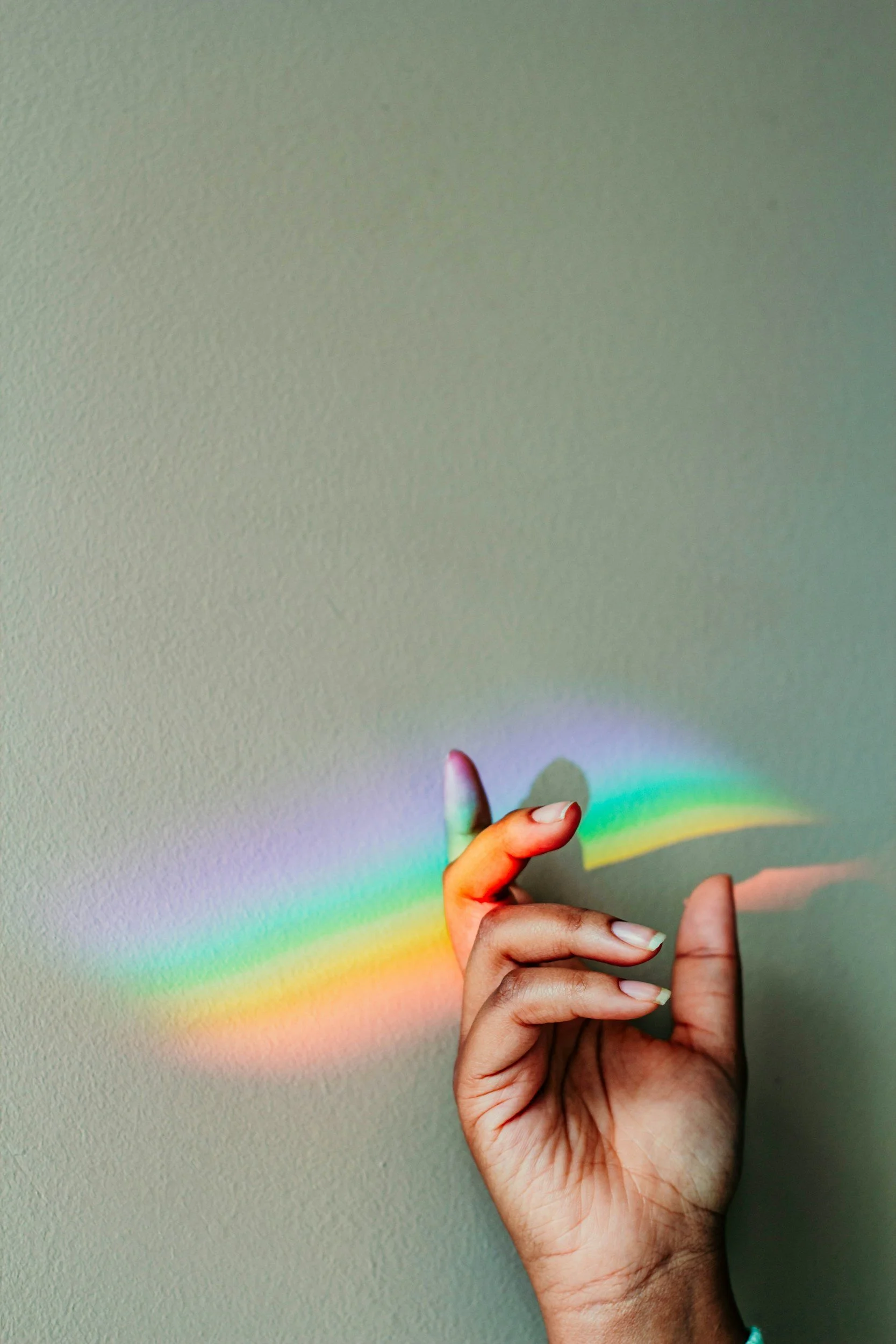
USING LIGHT PRISIMS TO RESTORE & CREATE
Harnessing Light for Well-Being: The Benefits of Light Therapy for Shifting Moods
In a world where self-care practices are gaining increasing recognition for their impact on mental health and wellness, light therapy stands out as a powerful tool for those seeking to shift their moods and enhance overall well-being. From combating seasonal affective disorder to regulating sleep patterns, the benefits of light therapy are vast and varied. Understanding how to incorporate this practice into your self-care routine can empower you to harness the transformative potential of light for your mental and emotional health.
The Transformative Power of Light Therapy
Light therapy, also known as phototherapy, involves the use of artificial light to simulate natural sunlight and address various mood-related conditions. By exposing oneself to specific wavelengths of light, individuals can experience a range of therapeutic benefits, particularly in relation to mood regulation.
One of the primary advantages of light therapy is its effectiveness in combating seasonal affective disorder (SAD), a type of depression that typically occurs during the fall and winter months when sunlight exposure is limited. By providing an artificial source of light that mimics natural sunlight, light therapy can help alleviate symptoms of SAD, such as low energy, mood disturbances, and sleep disruptions.
Moreover, light therapy has been shown to regulate circadian rhythms and improve sleep quality by influencing the production of melatonin, a hormone that plays a crucial role in our sleep-wake cycles. By using light therapy to establish a consistent schedule of light exposure, individuals can better synchronize their internal body clocks and promote healthy sleep patterns.
Beyond its impact on mood and sleep, light therapy has also demonstrated efficacy in treating other mental health conditions, such as anxiety disorders and certain types of depression. The positive effects of light therapy on neurotransmitter levels, particularly serotonin and dopamine, contribute to its mood-enhancing properties and potential for alleviating symptoms of mood-related disorders.
Incorporating Light Therapy into Your Self-Care Practice
Integrating light therapy into your self-care routine can be a straightforward and rewarding process, offering a natural and non-invasive way to support your emotional well-being. Here are some practical tips for incorporating light therapy into your daily regimen:
Select the Right Light Therapy Device: When choosing a light therapy device, opt for one that emits bright, full-spectrum light in the range of 10,000 lux. Position the light box at eye level, within a comfortable distance, and use it for a designated period each day, typically in the morning.
Establish a Consistent Routine: Incorporate light therapy into your daily schedule by setting aside time each day for your light therapy sessions. Consistency is key to maximizing the benefits of light therapy and maintaining a stable mood.
Combine Light Therapy with Other Self-Care Practices: Enhance the effects of light therapy by integrating it with complementary self-care activities, such as mindfulness meditation, exercise, and time spent outdoors. Creating a holistic self-care regimen can amplify the positive impact of light therapy on your mood and overall well-being.
Monitor Your Progress and Adjust as Needed: Pay attention to how your body responds to light therapy and make adjustments to your routine as necessary. Keep track of any changes in your mood, energy levels, and sleep patterns to gauge the effectiveness of light therapy in supporting your mental health goals.
By incorporating light therapy into your self-care practice with intention and consistency, you can tap into its transformative benefits for shifting moods and cultivating a greater sense of emotional balance and vitality. Embrace the illuminating power of light therapy as a valuable ally on your journey toward holistic well-being and self-discovery.